
Making the most of a small living space becomes easier with thoughtful furniture choices that combine comfort, functionality, and style. Selecting the right bed can create a welcoming sleeping area while leaving enough room for everyday activities. With suitable dimensions, clever storage, and attractive design features, even a compact bedroom can feel spacious, organized, and relaxing.
1. Understand Your Available Space
Before selecting a bed, measure the bedroom carefully and consider how furniture will fit into the overall layout. A well-planned arrangement allows comfortable movement and makes the room feel more open.
- Measure the available floor area before purchasing furniture.
- Leave enough clearance around the bed for easy movement.
- Consider doorways, windows, and wardrobe access.
- Choose a layout that maintains an open appearance.
- Keep frequently used items within convenient reach.
2. Select the Right Bed Dimensions
Choosing suitable dimensions helps balance sleeping comfort with efficient space utilization. A Twin bed can provide a comfortable sleeping area for one person while preserving valuable floor space for other essentials.
- Compare mattress dimensions with the room measurements.
- Consider the sleeper’s height and preferred sleeping position.
- Choose a frame that fits comfortably within the layout.
- Avoid unnecessarily oversized headboards and footboards.
- Maintain enough space for bedside essentials.
3. Explore Space-Saving Designs
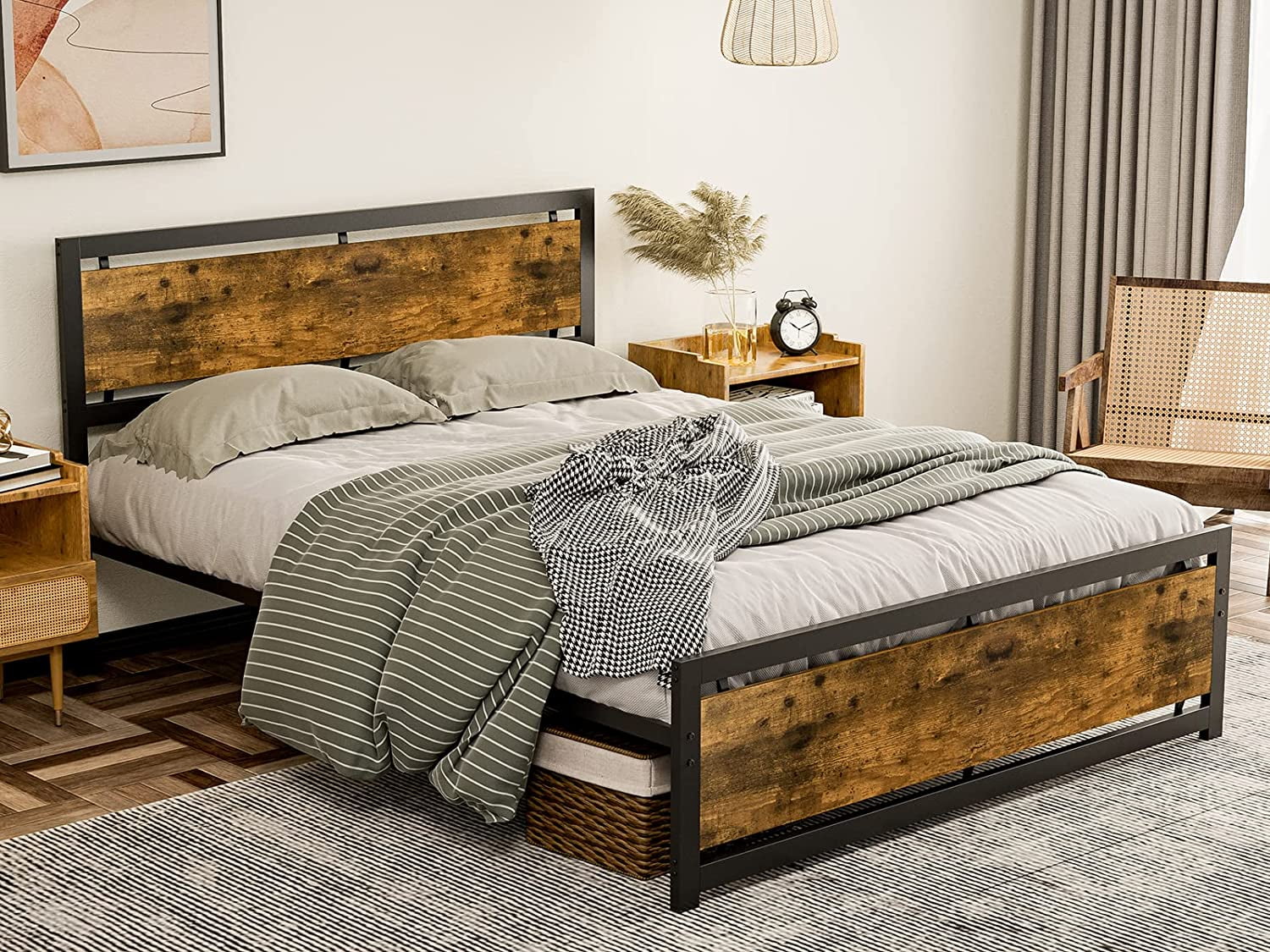
Modern bed designs offer practical features that help small bedrooms remain functional without sacrificing visual appeal. Simple structures and versatile furniture can make compact interiors more adaptable.
- Storage beds: Provide convenient space for bedding and accessories.
- Platform beds: Offer a clean profile and streamlined appearance.
- Beds with drawers: Keep clothing and personal belongings organized.
- Minimalist frames: Create a lighter, less crowded visual effect.
- Raised designs: Make room underneath for storage containers.
4. Coordinate Colors and Materials
Color choices and furniture finishes can influence how spacious a bedroom feels. Light shades, natural textures, and coordinated furnishings help create a calm atmosphere that encourages relaxation.
- Select neutral colors for a bright, airy appearance.
- Use coordinated bedding to maintain visual consistency.
- Choose smooth finishes that complement existing furniture.
- Add soft cushions for comfort and decorative interest.
- Introduce subtle patterns without overwhelming the room.
5. Make Storage Part of the Layout
Smart organization helps every corner contribute to a comfortable and practical bedroom. Combining suitable furniture with simple storage habits can reduce clutter and make daily routines easier.
- Use wall shelves to keep the floor clear.
- Choose compact bedside tables with useful storage.
- Store seasonal bedding in designated containers.
- Use organizers for accessories and everyday essentials.
- Keep decorative items limited to maintain visual balance.
6. Prioritize Comfort and Everyday Convenience
A beautiful bedroom should also support restful sleep and effortless daily living. Consider mattress quality, frame stability, and easy maintenance when comparing available options.
- Select a supportive mattress suited to personal preferences.
- Choose a sturdy frame for dependable everyday use.
- Ensure bedding fits properly and feels comfortable.
- Look for easy-to-clean materials and practical finishes.
- Arrange lighting for convenient reading and relaxation.
Create a Welcoming Compact Bedroom
Choosing furniture carefully allows small living spaces to deliver impressive comfort and functionality. By combining suitable dimensions, useful storage, coordinated colors, and thoughtful organization, you can create a bedroom that feels inviting without appearing crowded. A balanced design makes every available area more useful while preserving a peaceful atmosphere for relaxation and restorative sleep.