
Selecting appropriate valve dimensions is essential for achieving smooth fluid movement, dependable connections, and consistent pipeline performance. Butterfly valves play an important role in regulating liquid and gas flow across different industrial applications. Their compact construction and efficient operating mechanism make them a valuable choice for modern piping systems. Choosing suitable dimensions helps maintain accurate alignment, supports effective flow regulation, and contributes to long-term operational reliability.
Importance of Accurate Valve Dimensions
Correct dimensions allow butterfly valves to integrate smoothly with existing pipeline arrangements. Proper sizing supports efficient installation while maintaining dependable connections between adjoining components. It also helps engineers achieve consistent performance throughout the fluid distribution system.
Accurate measurements offer several advantages:
- Maintain proper alignment between connecting pipe sections.
- Support consistent fluid movement throughout the system.
- Improve sealing performance at connection points.
- Simplify equipment installation and replacement.
- Promote dependable operation during regular industrial activities.
Understanding Essential Measurement Specifications
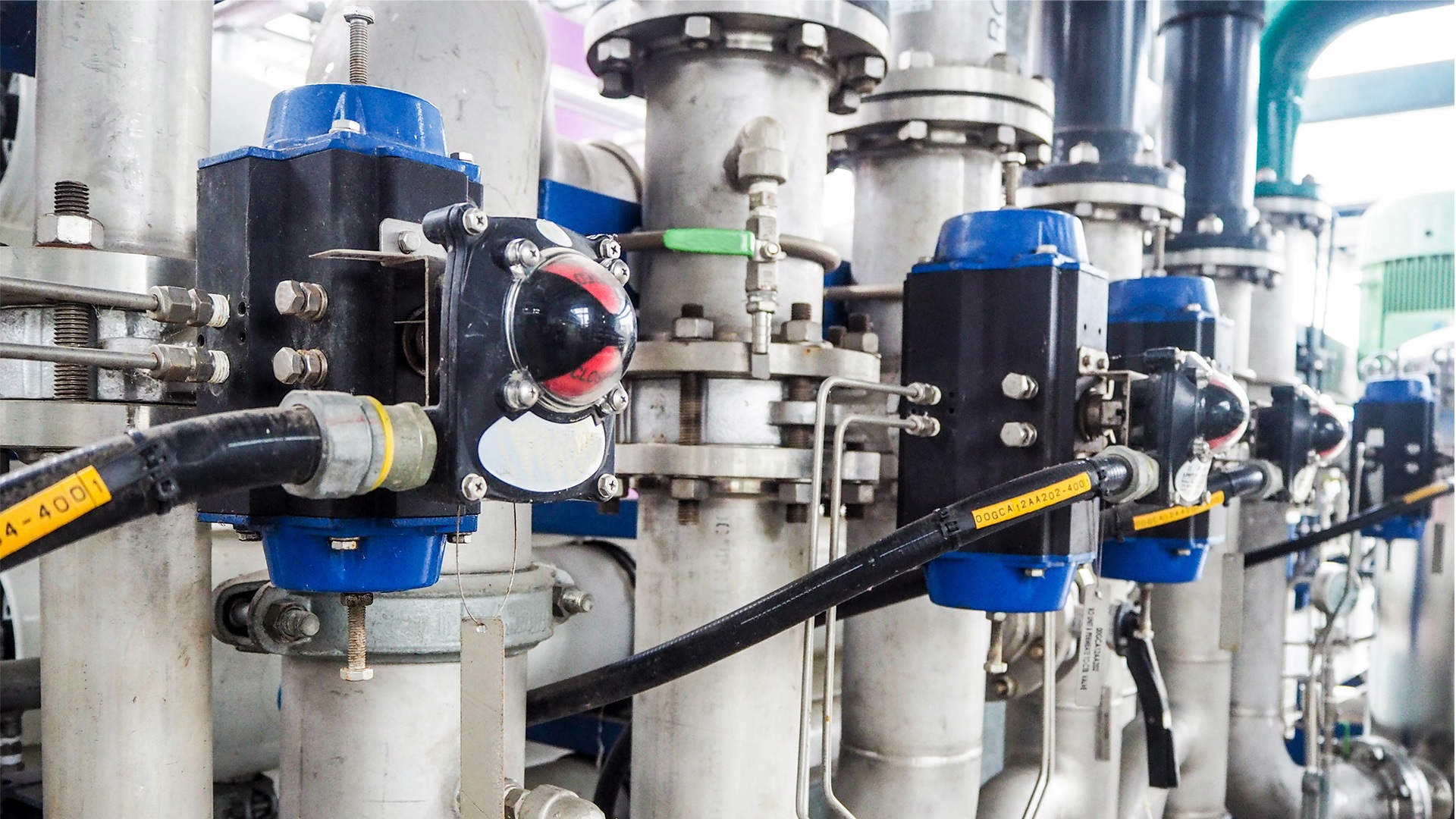
Butterfly valve dimensions include several important measurements that influence compatibility and installation quality. These specifications help determine whether a valve fits the intended pipeline arrangement and provides sufficient operating clearance.
Important dimensional considerations include:
- Nominal diameter: Identifies the valve size required for the pipeline connection.
- Face-to-face length: Determines the space occupied by the valve between connecting surfaces.
- Disc diameter: Influences the internal opening and effective flow passage.
- Flange dimensions: Support accurate connections with compatible pipeline components.
- Overall height: Helps provide sufficient clearance for the operating mechanism.
Improving Pipeline Flow Efficiency
Suitable dimensions contribute to balanced flow conditions and reliable fluid regulation. Correctly selected valves help maintain the intended flow capacity while supporting smooth opening and closing movements. Proper sizing also helps reduce unnecessary restrictions within the piping arrangement.
Engineers can improve flow efficiency through careful dimensional evaluation. Important benefits include:
- Supporting consistent flow regulation across different operating conditions.
- Maintaining suitable internal passage dimensions.
- Encouraging smooth fluid circulation through connected pipelines.
- Improving coordination between valves and surrounding equipment.
- Supporting dependable performance in continuous operations.
Supporting Installation Accuracy And Compatibility
Installation quality depends on selecting dimensions that match the pipeline design. Compatible measurements help technicians position valves correctly while maintaining suitable spacing between flanges and adjacent equipment. Standardized face-to-face dimensions also make equipment replacement and maintenance planning more convenient.
Reviewing https://www.vincervalve.com/butterfly-valve-dimensions/ provides a useful reference for understanding dimensional requirements and selecting suitable configurations.
Proper compatibility offers several practical advantages:
- Creates accurate connections with adjoining pipe sections.
- Supports convenient positioning during installation.
- Provides appropriate clearance for disc movement.
- Simplifies inspection and routine maintenance activities.
- Encourages dependable equipment integration.
Enhancing Long-Term Operational Reliability
Consistent dimensional accuracy contributes to stable operation and effective equipment management. When valves match the intended pipeline specifications, the complete arrangement can function with improved coordination. Careful selection also supports easier servicing and helps maintain dependable sealing performance.
Reliable dimensional planning encourages:
- Better coordination between pipeline components.
- Consistent mechanical operation during repeated cycles.
- Improved support for routine inspection requirements.
- Effective utilization of available installation space.
- Greater confidence in long-term system performance.
Conclusion
Suitable butterfly valve dimensions create a strong foundation for efficient pipeline operation, accurate installation, and dependable fluid control. Careful attention to diameter, face-to-face length, flange compatibility, and operating clearance helps achieve excellent equipment integration. With thoughtful dimensional selection and proper installation practices, industrial piping systems can benefit from improved efficiency, consistent performance, and lasting operational reliability.