
Choosing the right emergency kit can make preparation easier and more effective for different situations. Some kits are designed for everyday minor injuries, while others focus on handling more serious emergencies. Understanding the strengths of each option helps users select the most practical solution for home, travel, outdoor activities, or workplace readiness.
Basic Emergency Kit Overview
A standard emergency kit is designed for common situations and quick response needs. It usually contains essential medical and safety afak vs ifak supplies for treating minor injuries and maintaining comfort during unexpected events.
Common Features
- Adhesive bandages in different sizes
- Antiseptic wipes and cleaning pads
- Gauze rolls and medical tape
- Disposable gloves
- Small scissors and tweezers
- Pain relief tablets
- Burn cream packets
- Instant cold packs
Advantages
- Lightweight and easy to carry
- Simple organization for quick access
- Suitable for households and personal vehicles
- Helpful for everyday accidents and minor cuts
- Affordable and convenient for regular use
Ideal Uses
- Daily home safety
- School bags and office drawers
- Short outdoor trips
- Family travel preparation
- Small workplace setups
Advanced Emergency Kit Overview
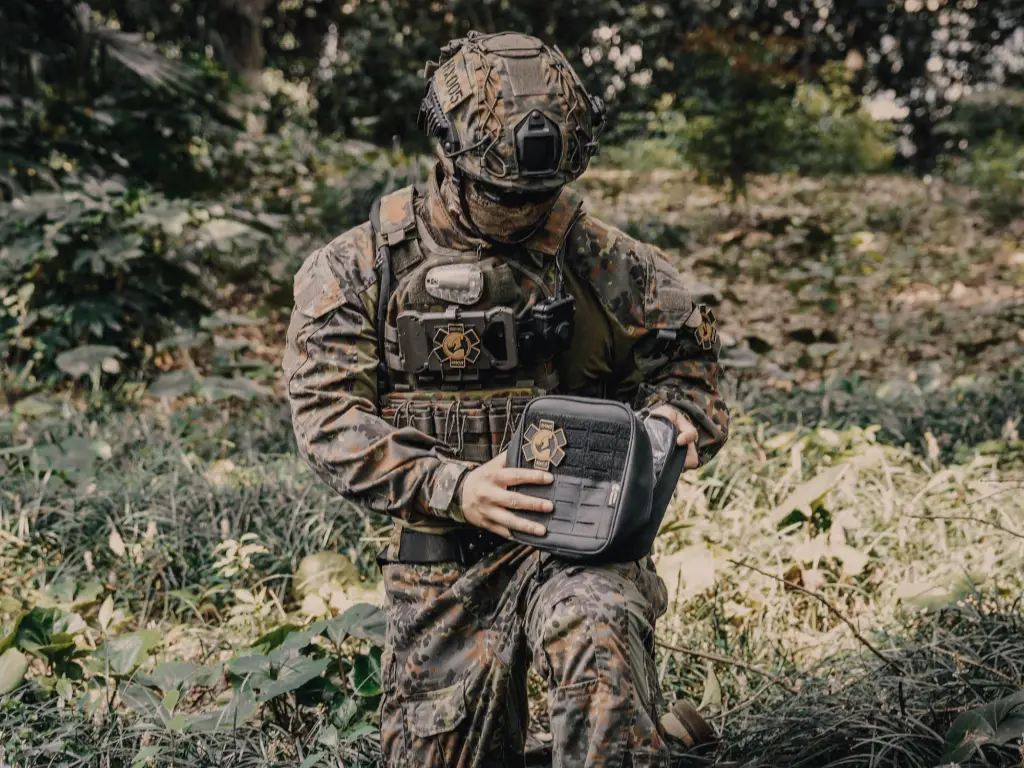
An advanced emergency kit is designed for more demanding conditions where additional medical support may be necessary. These kits typically contain upgraded supplies and tools intended for serious injuries and extended emergency situations.
Common Features
- Compression bandages
- Emergency blankets
- Trauma pads
- Airway support tools
- Splints for limb stabilization
- Heavy duty shears
- Extra sterile dressings
- Large storage compartments
Advantages
- Better support for critical injuries
- Greater supply capacity
- Durable construction for demanding environments
- Organized compartments for faster response
- Enhanced readiness during extended emergencies
Ideal Uses
- Outdoor adventures
- Long distance travel
- Large family preparedness
- High activity environments
- Emergency response readiness
Direct Comparison of Both Options
Size and Portability
- Basic kits are compact and easy to store
- Advanced kits are larger but offer expanded functionality
- Smaller kits fit easily in backpacks or glove compartments
- Larger kits provide room for specialized equipment
Supply Capacity
- Standard kits focus on essential everyday items
- Advanced kits include additional medical tools and protective supplies
- Higher capacity allows longer usage during emergencies
Ease of Use
- Basic kits are beginner friendly and simple to organize
- Advanced kits may require some familiarity with medical supplies
- Both options benefit from regular inspection and maintenance
Durability
- Standard kits are suitable for light use
- Advanced kits often feature stronger materials and reinforced storage sections
- Rugged construction helps protect supplies during transport
Preparedness Level
- Basic kits support quick treatment for minor situations
- Advanced kits improve readiness for more complex emergencies
- Both contribute positively to personal safety planning
Choosing the Right Option
Selecting between the two options depends on lifestyle, activity level, and expected emergency scenarios. A smaller kit works well for daily convenience, while a larger advanced kit provides broader preparedness for demanding conditions.
Helpful Selection Tips
- Consider the number of users
- Review storage space availability
- Check supply organization and accessibility
- Look for durable materials
- Replace expired items regularly
- Keep kits in easy to reach locations
A well chosen emergency kit offers confidence, readiness, and peace of mind. Whether selecting a compact everyday solution or a more advanced setup, both options play an important role in improving safety and supporting quick response during unexpected situations.